

10 Must-Do Things in Winter
Winter on the Côte d'Azur is a well-kept secret. From November to March, Antibes regains its authentic face. Tourists disappear, prices drop, and the city breathes. Here's how to take advantage.
1. Walk the Cap Path Under Winter Light
Mediterranean winter offers unique, crystalline light that painters adore. Cap d’Antibes’ coastal path becomes deserted. On a sunny January day (and there are many), with 15°C and azure sky, this walk is magical. You’ll meet a few local joggers, British retirees, and that’s all. The winter sea has deep gray-blue tones, and the offshore wind purifies everything.
2. Enjoy Museums Without Crowds
The Picasso Museum in December? You’ll be practically alone facing the works. You can take your time, return to a painting, meditate facing « La Joie de vivre » without a tourist group pushing you. Museum guards become chatty, tell you anecdotes. It’s a completely different cultural experience from summer.
3. Taste Winter Specialties at the Market
The Provençal market in winter changes face. Gone are tomatoes and melons, welcome to citrus fruits (bitter oranges, Corsican clementines), heirloom squashes, root vegetables. Vendors have time, they chat, share their recipes. It’s also truffle season in the backcountry: some producers sell them directly at the market. A treasure worth gold.
4. Celebrate Christmas Provençal Style
Antibes adorns itself with lights from late November. The Christmas market sets up on Cours Masséna. But the real spectacle is the life-size Provençal nativity scene installed in the church or a square. Traditional santons, reconstruction of old trades, it’s a journey through time. And especially, attend midnight mass at the cathedral: even if you’re not religious, the Provençal tradition is worth the trip.
5. Hike in the Backcountry
In winter, escaping the coast to explore the backcountry becomes a pleasure. 30 minutes from Antibes, the perched villages of Gourdon, Tourrettes-sur-Loup, or Vence are magnificent under winter sun. Hiking trails are passable, vegetation is green thanks to rains, and you can finish with a hearty lunch in a village inn.
”“To see the world in a grain of sand and heaven in a wild flower.”
William Blake
6. The Local Restaurants
In winter, Antibes restaurants regain their local clientele. Chefs offer seasonal dishes: daubes, stews, Provençal pot-au-feu, pistou soup. Prices drop (no « special summer » overpriced menu), and especially, you can book same-day. It’s the time to test real Antibes tables, those that close in August because « it’s the invasion. »
7. Observe Migratory Birds
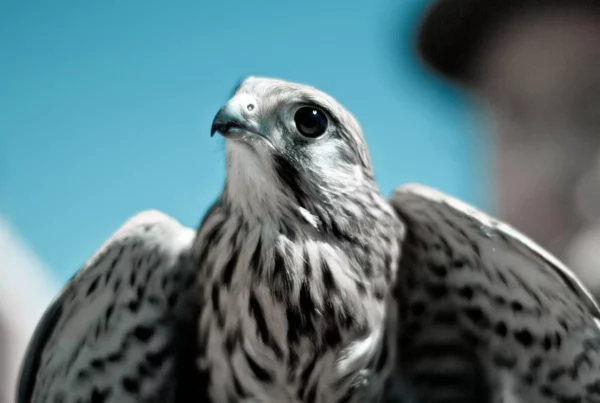
Winter is ornithologists’ season. Wetlands around Antibes welcome migratory species. With binoculars and some patience, you can observe herons, egrets, sometimes even lost pink flamingos. Early morning is the best time. It’s free, soothing, and completely off the beaten path.
8. Enjoy Deserted Beaches
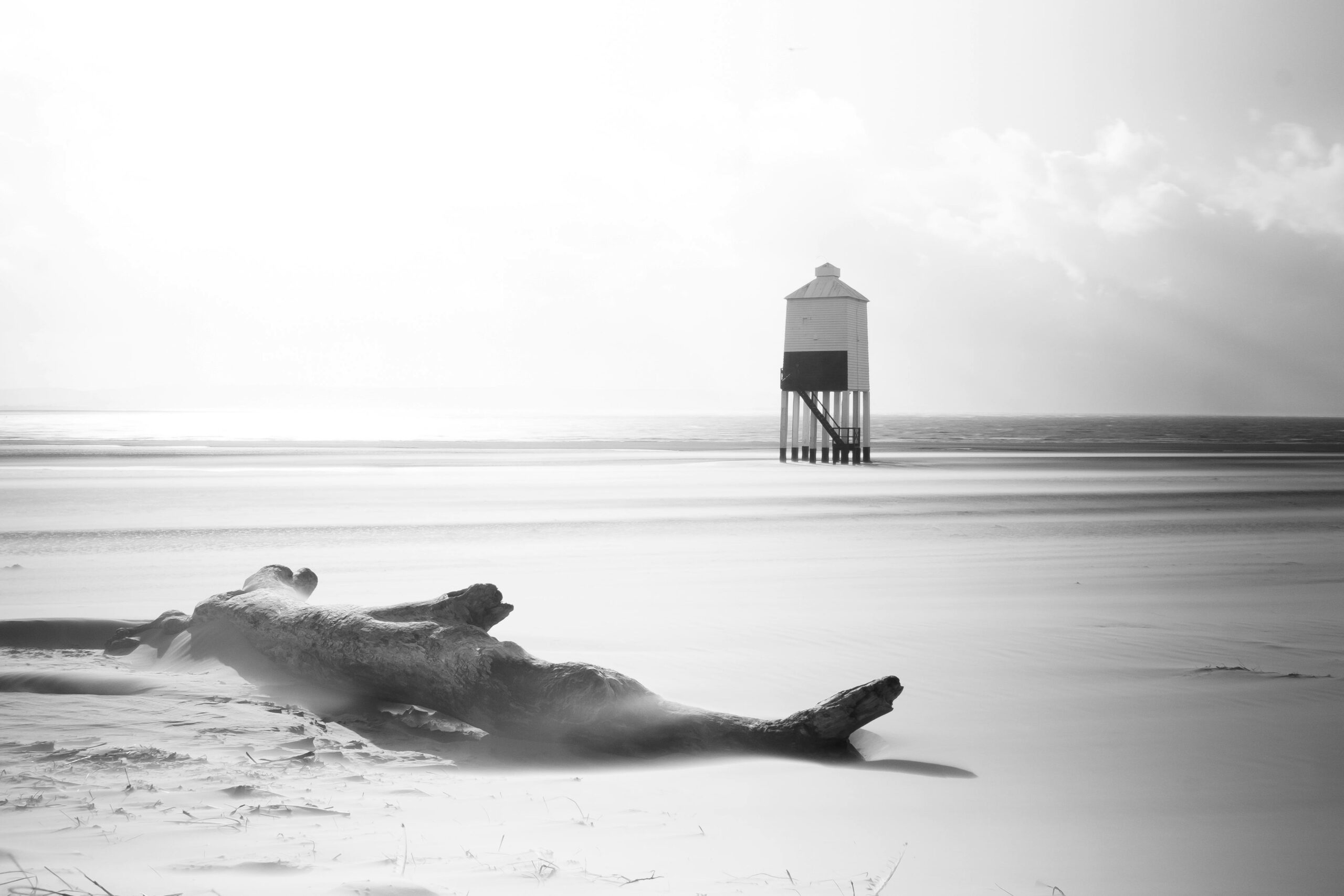
Swimming in January? The bravest do it (water rarely drops below 13°C). But especially, walking on a completely empty La Garoupe beach on a February Sunday is a meditative experience. The sound of waves, wind, low light. Bring a thermos of tea, sit on the sand, and enjoy absolute luxury: a Côte d’Azur beach all to yourself.
9. Attend the Mimosa Festival (February)
Every year in February, the region celebrates blooming mimosa. Corsos (flowered floats parades) are organized in surrounding towns (Mandelieu, Bormes). Antibes participates in its way with floral exhibitions. The backcountry covers itself in golden yellow: a unique spectacle announcing spring.
10. Experience Everyday Antibes Life
In winter, Antibes becomes a real city again. You’ll see children leaving school, regulars at the corner café, old men playing pétanque at Place Nationale (even in December, if it’s mild). Settle on a terrace with a book, order hot chocolate, and observe. That’s it, the real Antibes, the one that exists when tourists have left.
Weather Bonus
Between November and March, Antibes has an average of 150 sunny days. It can rain, certainly, but radiant days are numerous. And when the sun returns after rain, the light is extraordinary. Photographers know it: Mediterranean winter is their favorite season.